Middle East and Gulf in particular as a market for promoting medical tourism to India holds great potential. Traditionally patients have been coming to India from the region to leading hospitals in Mumbai and Chennai and the more affluent of them were preferring to go to Europe and America. But now with the establishing of over 100 most modern NABH and JCI internationally accredited hospitals in top ten cities of India during the last five years, no other country in the world can match the capacity, quality and cost value proposition that Indian hospitals have to offer to the overseas patients looking for advanced medical treatment options.
The phenomenon, now popularly known as Medical Tourism is often cited as the next big opportunity for India after the IT outsourcing to earn billions of dollars in forex earnings and create jobs in the healthcare sector. So far only a select group of Indian hospitals have been making valiant attempts to market their services in international arena. More than a million overseas patients already treated at top Indian corporate hospitals like Fortis, Artemis, Max, MIOT, Manipal and many others have already proved to the world that the clinical quality, technology and cost proposition offered by India is unmatched. The capacity in super specialty segment Indian hospitals is expanding fast and there is no waiting period for local or overseas patients.
Indian Medical Travel Association joined hands with the Indian Ministry of Tourism to promote these road shows that were attended by good numbers of local Insurance companies, travel and tour operators hospital administrators and medical tourism facilitators. India’s Ministry of Tourism has achieved phenomenal success in last five years with its much acclaimed “Incredible India “campaign that has multiplied the arrival of foreign tourists to India. Recently it has notified the Market Development Assistance (MDA) Scheme to eligible Medical Tourism players which enables them to get financial support for participation in overseas promotional events.
About Indian Medical Travel Association.
A non profit body aimed at preparing India for facing the challenges of global competition in Medical Tourism space and actualise the tremendous opportunity for India to become a leading global healthcare destination. IMTA’s membership has a diverse base of India’s leading JCI, NABH accredited hospitals, Indian System of Medicine and Wellness service providers, travel industry, Insurance, Assistance and Medical Tourism facilitation companies.
For more details please contact :-
Ms. Anoushka Singh, Manager PR, Indian Medical Travel Association
Phone – 91 9899993637
Email – pr@indianmta.com
Website – http://indianmedicaltravelassociation.com/
Tagged with: hospitals in mumbai, indian hospitals, medical treatment options, Ministry, Travel
Share this:
Read also:
December 19th, 2010 | Category: Medical tourism | No Comments »
You can follow any responses to this entry through the RSS 2.0 feed. v>
Sunday, December 19, 2010
Indian Medical Travel Association (Imta) Participates In The Incredible India “Medical Tourism Road Shows Held By Indian Ministry Of Tourism


Saturday, December 18, 2010
Japan creates 6-month medical visa for foreigners | BionicBong

The Japanese government instituted a new visa Friday to enable foreign visitors to stay in Japan for a maximum of six months to receive health care treatment starting in January.
The medical stay visa is designed as an economic stimulus measure to attract affluent visitors from China and other parts of Asia, following calls for the government to revamp the visa system as countries such as Thailand, Singapore, India and South Korea step up medical tourism.
"Based on Japan’s new growth strategy adopted in June, we will launch a new visa to promote visits to our country by foreign patients," Foreign Minister Seiji Maehara told a news conference.
"We hope the new visa will enable as many people as possible to receive advanced medical services to get healthy or undergo checkups in Japan," the minister said.
Chief Cabinet Secretary Yoshito Sengoku said in a press conference that barriers must be lowered as Japan could be left behind in high- level medical services.
So far, visitors seeking health care in Japan have acquired visas categorized as those for a short-term stay, special purposes or visiting relatives, which allowed them to stay up to 180 days.
Read the rest of the story: Japan creates 6-month medical visa for foreigners.
Others Are Reading
Tags: foreigner in Japan, Japanese Medicine, medical visa, Travel Japan


Wednesday, November 24, 2010
Get rid of the excess Fat
Easy and affordable health tourism
Tuesday, November 23, 2010
Do you know this???
| Weight loss surgery refers to various surgical procedures, which are performed tocontrol obesity by modifying the gastrointestinal tract and reducing its absorptionof nutrients. This surgery is often termed as bariatric surgery. Prevalence of overweightand obesity has reached pandemic proportions and is contributing to premature morbidityand mortality because of increasing nourishment and a decrease in physical exercise.Surgery for weight loss has shown to be very effective for morbidly obese patients. |  |
| Weight loss surgery is generally advised only to thosewho are unable to loose excess weight either through diet and exerciseprograms and are obese with related conditions such as hypertension,Diabetes mellitus and obstructive sleep apnea. It is possible that anindividual can maintain a healthy body weight through this surgery.These procedures maybe carried out medically and safely but yet it isessential to understand the operative risks, mortality, side effects andafter care before making such a decision. | |
| Different surgical procedures Surgical procedures for weight loss can be malabsorptive, restrictive or a combinationof both these procedures.Malabsorptive procedure: The procedure induces decreased absorptionof nutrients by shortening the functional length of the small intestine, so thatthe body absorbs fewer calories. This procedure creates an abnormal situation fordigestion and absorption of nutrients from food. Biliopancreatic diversion, duodenalswitch, etc. are some procedures adopted for malabsorption. |  |
| Restrictive procedure: The procedure aims at reducing the size of the stomach by surgery and limits the food intake with reduced feeling of hunger.Vertical banded gastroplasty is done in which the stomach is stapled to forcibly create a smaller pouch and hence also known as stomach stapling. A silicone bandcalled a lap band also creates the same effect.This method does not interfere with the normal digestion of food. |  |
| The reduced stomach capacity, along with behavioral changes, can resultin consistently lower caloricin take and consistent weight loss.Restrictive procedures are simpler to performand are accompanied byless procedural complications than malabsorptive procedures. | |
| Combination operation: The procedure takes advantage of both restrictionand malabsorption. In the gastric bypass surgery, a stapled stomach is created andconnected to the small intestine. The upper part of the small intestine is reattachedin a Y-shaped configuration. Hence the stomach volume is reduced and restrictingfood intake. In this case the stomach is disconnected from the duodenum and insteadconnected to the small intestine. Most of these procedures can now be performed through laproscopy rather than aninvasive surgery. Here less post-operative pain, reduced risk of wound infection,a shorter hospital stay, faster recovery and a more rapid improvement in qualityof life maybe experienced. | |
| Success of surgery The success of bariatric surgery is dependent upon long-term lifestyle changes indiet and exercise. The adaptation a patient makes to the new way of eating becomesvery important. Clinical studies show that, following weight loss surgery, mostpatients lose weight rapidly and continue to do so until 18–24 months after theprocedure. This largely depends on several factors such as patient’s age, weightbefore surgery, overall condition of patient's health, surgical procedure, abilityto exercise, commitment to maintaining dietary guidelines, other follow-up care,motivation of patient and cooperation of their family, friends and associates. |  |
| Adverse effects As with any surgery, there are operative and long-term complications andrisks associated with weight loss surgical procedures. Possible risks are bleeding,dehiscence, leaks from staple line breakdown, infections, complications due to anesthesiaand medications to name a few. Complications after surgery are frequently noticedin people over 40 years. A few of the difficulties faced while making adjustmentsafter surgery are bloatedness, diarrhea after eating and Incisional hernia. Important considerations
| |
| Health benefits of surgery Surgery not only decreases body weight but also improvesmorbid conditions like high blood pressure, high cholesterol, diabetes, asthma,respiratory insufficiency, gastro-esophageal reflux disease, degenerative disk and joint disease to name a few. These patients on an average lose 61% of excess body weight depending on the procedure performed. |  |
| However, patients need to be selectedcarefully for surgical treatment of obesity and have to be monitored closely overthe long-term for nutritional deficiencies and other complications. | |
What is Osteoporosis !!!

India Attracting Patients from Overseas for cancer treatment
Most cancer surgeons in Indian hospitals are certified and have more than a decade of experience. Also the medical staff is well trained professionally. The doctors and cancer surgeons in India at these hospitals are adept in dealing with most complicated cases. The advanced and cutting edge medical facilities available at Cervical cancer surgery hospitals in India makes them a reliable global destination for patients who are seeking a suitable and less cost option for recovery from Cervical cancer.
Cancer Treatment :
Medical advancement in cancer treatment in India has developed to such an extent that it has attracted over a million patients in past few years. The success rates of high end cancer surgeries in select Indian hospitals are far better than the success rates of the same surgeries in other parts of the globe.
Various modules for treatments and surgery for cancer in India:
Bone marrow and stem cell transplantation ,Chemotherapy of haematological malignancies, Chemotherapy of solid tumors, Chemoport insertion, Day care chemotherapy.
Reconstruction Post Cancer Surgery :
Head and neck reconstruction after cancer surgery
Breast and nipple reconstruction after cancer surgery
Skull base cancer surgery and reconstruction..
We believe in and strive to preserve long-lasting relationships with our patients, hospitals
Providing medical tourism services which include medical tour packages for Cosmetic Surgery , Neuro Surgery , Ophthalmology, heart care, heart surgery, health check up, cosmetic treatment and orthopaedic surgery.
50% drop in HIV cases in India in 10 years,
An estimated 2.6 million people became newly infected with HIV in 2009, nearly 20% fewer than the 3.1 million people infected in 1999. In India, 120,000 people got infected in 2009.
While 1.8 million people died from AIDS-related illnesses, nearly one-fifth lower than the 2.1 million people who died in 2004, about 170,000 people died in India.
"We are breaking the trajectory of the AIDS epidemic with bold actions and smart choices. India is doing quite well in HIV treatment. Investments in the AIDS response are paying off, but gains are fragile -- the challenge now is how we can all work to accelerate progress," said Charles Gilks, UNAIDS country coordinator India.
The 2010 report contains basic HIV data from 182 countries and from 2001 to 2009, the rate of new HIV infections stabilised or decreased by more than 25% in at least 56 countries around the world, including 34 countries in sub-Saharan Africa.
Among young people in 15 of the most severely affected countries, the rate of new HIV infections has fallen by more than 25% led by young people adopting safer sexual practices.
In 59 countries including 18 of the 25 countries with the highest HIV prevalence, less than 25% of men reported having sex with more than one partner in the last 12 months. Eighty-four countries reported the same behaviour trends for women.
Condom use and availability have increased significantly among high risk group like sex workers and transgenders. Eleven countries, including Burkina Faso, India and Peru, report more than 75% condom use at last higher-risk sex.
Even though the number of new HIV infections is decreasing, there are two new HIV infections for every one person starting HIV treatment.
Investments in HIV prevention programmes as whole have not been adequate or efficiently allocated.
"We need annually $15 billion for HIV prevention and treatment but only $8 billion is earmarked globally. There is an urgent need to sustain and scale up good investments and for countries to share the financial burden of the epidemic. Many countries are under-investing and need to increase their domestic financial commitments to sustain and scale up the AIDS response," said Taoufik Bakkali, UNAIDS senior monitoring and evaluation adviser, India.
The report found that more people are living longer and AIDS-related deaths are declining as access to treatment has expanded.
"The total number of people on treatment increased by seven and half times over the last five years with 5.2 million people accessing life-saving drugs in 2009, compared to 700,000 in 2004," said Gilks.
However, nearly twice the number of people -- 10 million -- are still awaiting treatment and countries need to speed up work on AIDS prevention.
Health Tourism in India
Health Tourism is a concept where a patient travels to another country for medical treatment in order to save costs, or get treatment faster or even to avail of better medical facilities. Most patients from countries like USA and UK travel to developing countries such as India for treatment because India offers some of te cheapest pricing options of treatment, offers a good holiday, there are no waiting lists or queues to stand in, the doctors are comparable to anyone in the world and finally, language does not pose a problem as most people speak English.
Why would someone travel to India and not to Thailand?
Although the cost difference between treatment in India and Thailand is not much, India offers what you call a language advantage - a patient would surely prefer a country where English is widely spoken. Also, it is believed that the facilities in India are more suited for International patients.
India is also working hard to increase it's infrastructure to better suit the needs of patients coming to India for treatments such as heart surgey, knee replacement, other orthopaedic treatments, cosmetic surgery, eye care, dental treatment or any other treatment for that matter. This is one of the primary fields which India intends to explore during the coming years.
How can you trust Indian Doctors?
Well, many highly qualified doctors have had some form of training from abroad , specially USA and UK. Indian surgeons and doctors are known for their skill and research throughout the world.
India has over 150000 medical tourists each year and this figure is rising at a high pace. Some recent programs recently on BBC and CNBC have reinstated the fact that medical tourism is a good idea if - you want to save costs, you need the treatment to be done at your time and convenience, you need a high quality budget incorporated.
Sunday, November 21, 2010
Exercise dos and don'ts
DO...
Fit in fitness
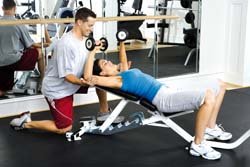 If you want to stay fit, your fingers and your mouth should not be the only parts moving regularly. Following a sedentary lifestyle will make you prone to heart disease, osteoporosis, diabetes, hypercholesterolemia, lethargy and mood swings. Hence, a workout should be an indispensable element of your day.
Warm-up and cool-down
You just can’t afford to miss this one. A warm-up prepares the body for the activity to follow. Our muscles perform better and are less prone to injury when they are warm. A warm-up can mean simply walking or marching for 5 – 10 minutes to raise the body’s core temperature.
A cool-down lowers the body’s temperature, gradually. The last 5 – 10 minutes of the workout should be cool-down time. This allows the blood to return to its resting state.
Stretch
A good time to stretch is immediately after an exercise session, while the body is still warm. Stretching prevents muscle soreness and increases flexibility. It also relaxes the muscles, mobilises the joints and improves posture.
Strength train
Include strength training in your fitness regimen, as it helps maintain bone density and gain strength. For an effective routine, include exercises that target the major muscle groups of the upper, mid and lower body.
Watch what you eat
What you eat influences the results of your fitness regimen. A sound nutrition plan can help you build muscle, decrease percentage of body fat, and look and feel better. Also, if you eat healthy, you will have the necessary energy to exercise and be active.
Rest adequately
When we rest, our muscles get time to recuperate from the stress they go through while exercising. Resting also helps recover from fatigue and muscular exhaustion. If you are weight training, make sure you give your muscles at least 48 hours of rest in between workout sessions to recover and recuperate.
Consult a qualified trainer
Consult a trainer to help you with the right form, as it will protect your body from exercise trauma. Following a wrong technique or exercising with jerky movements can cause injury. No matter what exercise you do, always make sure to focus on the right posture, keeping your body properly aligned all through the exercises.
Start off at a moderate intensity
You need to prepare your body to exercise bit by bit to avoid over-straining. For that, your exercise programme has to be structured, systematic and progressive [beginning with a low intensity and gradually increasing].
Think positive
Adopting a positive attitude gives you a greater chance of success. Taking pride in every little victory will make you more positive towards your exercise and push you to stick to your exercise routine, no matter what. Remember, it’s the small changes that we incorporate that make a big difference. So don’t undermine the achievement even if you add 15 minutes to your daily walk, it means you’ve added two whole hours to your exercise each week—quite a feat.
DON’T...
Let monotony set in
There is a likelihood of boredom setting in if you continue doing the same thing over and over. Fitness routines are meant to be fun, exercise should help bust the stress and make you feel lively and energetic; not bored. So, vary your workouts to maintain the enjoyment level.
Think skinny
Often people think of becoming thin [read skinny] when they start an exercise routine, and this prompts them to starve themselves and over-exercise. Think healthy, not skinny. Make sure you eat a well-balanced diet that includes carbohydrates, proteins, fats and plenty of water.
Ignore your breathing
How you breathe when you exercise matters a lot, especially if you doing weight training, yoga or Pilates. When training with weights, most people are ignorant about the correct way to breathe—breathe out when you exert the muscles, and breathe in when you ease them.
Go overboard
Just like under-exercising, even over-exercising is bad for your health. Don’t get impatient for quick results and do too much, too fast; it causes injury.
Forget the fluids
You lose body fluids when you perspire while working out. The water loss needs to be replaced or you’ll get dehydrated; drink lots of water before, after and while you are exercising.
Ditch cardio training
Cardio exercises are important to raise your overall fitness levels; do them 3 – 5 times a week for of 30 – 60 minutes. Your exercise intensity can range between 45 – 85 per cent of your target heart rate depending on your age, fitness level and medical history.
Thursday, November 18, 2010
Travel tips for diabetics and hypertension
Have a cool and quiet evening before your day of journey, have a light breakfast the next morning
Do not consume alcohol and excess salty foods the night before
Wear loose, comfortable clothes
Avoid excessive caffeine, drink plenty of water
Carry your anti-hypertensive medicine
KEEP A MEDICAL ID
A medical ID is your identification card that lists your medical conditions, and instructs a person to give you sugar drinks if you have low sugar in blood and lists the emergency phone number of your physician. No matter where you go, carry a medical ID. If you are leaving the country, also learn how to say “I have diabetes” and “sugar or orange juice, please” in the language of the country you are visiting.
 #END
#END
Briton undergoes weight losing surgery in India
A. Smith, the fattest Briton who once weighed 297 kg, is now a happy man having lost eight kg in just two days after he underwent an obesity surgery here becoming the "heaviest patient" to be operated upon.
"I have seen and heard sniggers and nasty things. Now I hope it will be a thing of the past," 35-year-old Smith said as he radiated an ear to ear smile.
Smith flew down to India to undergo 'Sleeve Gastrectomy' procedure at a hospital here last week becoming the "heaviest patient operated in Asia".
Turned away by many UK hospitals which expressed their inability to perform the surgery as Smith had a Body Mass Index (BMI) of 80, putting him in high risk category, he decided to contact Laparo Obese Centre in INDIA and planned the operation.
"Smith was a classic case of super obese patients who end up showing co-morbid conditions in early age due to morbid obesity. He used to suffer from heaviness in abdomen, severe backache, hypertension, sleep apnoea and walking problems," Dr Shah, who performed the surgery, said.
Lovely at 40 - VASER Liposuction helps actress get back in shape
In the 1980's, Lovely was considered a very promising young star. But when she turned 17, lovely married a businessman and declared herself semi-retired from showbusiness.
Over 20 years later and at the age of 40, Lovely says she is in a good place. Seperated amicably from her husband and with two adult children, she works fultime in her ex's business and still dabbles in showbusiness although not on a fulltime basis.
Best of all, the lovely Lovely is slim and svelte after reaching a nightmarish weight of 145 pounds last year.
"I've gone through liposuction twice in the past but I wasn't happy with the results. I normally weigh 110 pounds but I reached 145. Even my daughter was urging me to lose weight." she explains.
"Salamat po, doctor" is a showbiz slang that usually refers to those who have undergone cosmetic enhancements to become more attractive.
Lovely is one happy member of the"salamat po, doctor" brigade after undergoing full body liposuction under board certified dermatologist and cosmetic surgeon and body sculpting expert. The actress, who is also hypertensive, recalss that the procedure, which was done in November, Look eight hours to finish.
"I had the lipo done beacuse I was too heavy and I couldn't exercise because of my hypertension. I don't like working out. I love to eat and diet pills don't work with me," says Lovely, was skinny as a child and teenager but started having weight problems after giving birth to her first child, now 23 years-old.
What is a total knee replacement?
A total knee replacement is a surgical procedure whereby the diseased knee joint is replaced with artificial material. The knee is a hinge joint which provides motion at the point where the thigh meets the lower leg. The thigh bone (or femur) abuts the large bone of the lower leg (tibia) at the knee joint. During a total knee replacement, the end of the femur bone is removed and replaced with a metal shell. The end of the lower leg bone (tibia) is also removed and replaced with a channeled plastic piece with a metal stem. Depending on the condition of the kneecap portion of the knee joint, a plastic "button" may also be added under the kneecap surface.
The posterior cruciate ligament is a tissue that normally stabilizes each side of the knee joint so that the lower leg cannot slide backward in relation to the thigh bone. In total knee replacement surgery, this ligament is either retained, sacrificed, or substituted by a polyethylene post. Each of these various designs of total knee replacement has its benefits and risks.

Wednesday, November 17, 2010
Foreign patients relying on the quality of dentistry in India
Foreign patients coming to India are smiling, thanks to medical tourism in India. Dentistry in India is now recognized as one of the best in the world. India is becoming a favorite destination for foreign patients who are wishing to have better dental treatment at low cost. Dentistry in India is now seeing as a health holiday, getting dental treatment in India and at the same time visiting various tourist destinations in India. Many Indian hospitals have state of the art having latest surgical and dental instruments and using latest technologies in field of dentistry. Indian dentists have proved themselves in providing excellent dental services in the field of dentistry. With world class facilities, zero waiting time and most importantly one tenth of medical costs dental tourism in India is serving as very useful to those seeking quality services at an affordable cost. Dentistry in India is mostly preferred by the foreigners because of its affordable cost dental treatment options as compared to dental treatment available in their own countries like dentistry in US, Canada and Europe.
Teeth are one of the most precious and beautiful assets of your mouth that helps you to eat well and smile in a pleasant way. Teeth are also the beauty devices that help you to display a beautiful smile. But tooth deformities and dental caries often spoil the smile of your face. Dental treatment provides extensive tooth recovery procedures for setting the teeth in a right shape and form. Some dental procedures are used to recover missing teeth and others are used to get a good shine and color preface. Dental veneers, dental implants and dental crowns are used to recover missing teeth, dental root canal therapy and dental bridges are used set the teeth in the right shape. On the other hand dental whitening and dental polish are used to make the teeth beautiful with a good shine. Surgery tourism is growing at a rapid pace. According to a survey about two lakh medical tourists come to India for treatment. These numbers are expected to increase in the near future. Dentistry in India is providing the best facilities for dental treatment in India at a low expense budget at the hands of experienced dental treatment surgeons in cities like Mumbai, Delhi and Chennai. Foreign patients have been traveling to India in cities like Mumbai, Chennai and Bangalore. These cities have modernized dental clinics. Dentistry in India covers dental procedures like dental veneers, dental implants, dental root canal and dental bridges. The dental surgeons here are abroad trained and provide appealing less cost budget medical packages to those patients who are running in bad credit or don’t have dental insurance. Finally India is being recognized as a medical hub of the world.
Understanding Medical Tourism and Its Affordability in India
Renal Week to Highlight Latest Developments in Kidney Disease
November 17, 2010 — The American Society of Nephrology (ASN)'s upcoming Renal Week 2010 is set to feature in-depth scientific exchange and groundbreaking research in basic, translational, and clinical sciences concerning kidney disease.
Key issues expected to generate vigorous discussion at the event include research on how physicians can improve patient outcomes on dialysis, genetic factors that might increase the incidence of end-stage renal disease in African Americans, and the way novel biomarkers contribute to the detection and care of acute kidney injury.
The Late-Breaking Clinical Trial session, one of the meeting's major events, will focus on the latest research developments pertaining to nephrology, said ASN program committee chair David Ellison, MD, FASN, in an interview with Medscape Medical News.
"Six groundbreaking trials of various treatment approaches to kidney disease will be presented in the Late-Breaking Clinical Trial session," said Dr. Ellison, who is the head of the Division of Nephrology and Hypertension at Oregon Health & Science University in Portland.
"The studies are all likely to influence how kidney disease is treated, and will have direct impact on patient care immediately," he predicted. They are:
- Effects of Nocturnal Home Hemodialysis: The Frequent Hemodialysis Network Trials
- Effect of Bardoxolone Methyl on Renal Function in Patients with Chronic Kidney Disease (CKD) and Type 2 Diabetes Mellitus
- Results of the Multicenter [Focal Segmental Glomerulosclerosis] Clinical Trial in Children and Young Adults
- Primary Safety and Efficacy Results from Four Phase 3 Randomized, Active-Controlled, Open-Label Studies of Hematide/Peginesatide Among CKD Dialysis and Nondialysis Patients
- Prevention of Dialysis Catheter Lumen Occlusion With rt-PA vs Heparin (Pre-CLOT): A Randomized Trial
- Should We Reduce [Low-Density-Lipoprotein] Cholesterol in Patients with Chronic Kidney Disease? The Results of the Study of Heart and Renal Protection (SHARP)
The conference will also feature talks by internationally recognized scientists who have been invited to present 4 State-of-the-Art Lectures, Dr. Ellison added.
"The talks will range from one by Harlan Krumholz [MD, SM, from Yale University, New Haven, Connecticut] discussing how to combine clinical practice and scholarship in pursuit of improved patient outcomes, to one by Elaine Ostrander [PhD, from the National Institutes of Health's National Human Genome Research Institute, Bethesda, Maryland] who will discuss the genetic basis of dog phenotypes ranging from size to coat color."
In addition, Michael J. Welsh, MD, from the University of Iowa in Iowa City and the Howard Hughes Medical Institute in New York City, will discuss his groundbreaking work entitled Cystic Fibrosis: Development and Lessons on the Pig Model, and Charles A. Dinarello, MD, from the Division of Infectious Diseases at the University of Colorado at Denver, will give a lecture entitled Interleukins and Human Disease.
A third major event of the conference will be the "Meeting-Within-a-Meeting" program, which will bring together physicians and scientists interested in specific topics. This year's sessions will focus on 4 key areas: epithelial transport and cell biology, renal immunology and transplantation, new insights into glomerular structure and function, and kidney development and stem cells.
One prominent issue expected to be addressed in lectures and discourse throughout Renal Week will be the changing role of reimbursement in dialysis, Dr. Ellison noted. "In light of changes in reimbursement for dialysis, we expect a great deal of attention to be focused on how to improve quality while reducing costs."
The conference is being held November 16 to 21 in Denver, Colorado, and organizers expect strong attendance from an international array of nephrology specialists.
"The meeting is truly international, with strong representation from Asia, Europe, and South America, as well as from the United States," Dr. Ellison said. "We expect approximately 13,000 people to attend the meeting, at least as many as have attended in the past."
Why Your Patients' Data May Not Be Safe: 5 Steps to Protect It: Five Steps to Prevent Privacy Breaches
1. Develop a strict-but-realistic security policy
Your practice should take basic security measures, if it hasn't already done so. Antivirus, antispam, intrusion detection, and firewall software should be installed, Patel says. Because a hacker online or a thief in your office is more apt to seek patients' financial information rather than health data, do not use Social Security numbers as unique patient identifiers, she cautions.
Once you have an EHR, you'll need to anticipate common but potentially insecure scenarios and devise a policy for how to respond to them. Todd Chambers, Chief Marketing Officer at Courion Corp., a Westborough, Massachusetts-based identity and access management provider, cites a few issues to address:
- Which staffers can access the EHR?
- Will passwords be used? How strong will they be? How often will they be changed?
- How will confidential data be shared with others?
- Should encryption be used?
- Is it permissible for mobile devices such as laptops, PDAs, or smartphones to be used to transport patient data? Under what circumstances? With what protections in place?
The policy needs to balance security concerns with the need for doctors and staff to do their work. Johnson believes the large number of security breaches experienced by health insurers, hospitals, and physician practices occur less because security controls aren't in place and more because doctors and staff find the ones in place overly onerous to follow, so they don't.
"When security interferes with productivity, everyone starts using workarounds," Johnson says. "Why remember a complicated password to log into the EHR when you can simply dump data into an insecure Excel spreadsheet?"
An EHR vendor, practice management consultant, privacy expert, or healthcare attorney can help a physician practice design a policy that balances security and staff needs and meets HIPAA and HITECH standards, as well as train doctors and staff to adhere to the new rules. In addition, federally funded regional extension centers will help EHR users achieve meaningful-use targets, including security targets, at no charge. These centers can be found by going to: http://healthit.hhs.gov/portal/server.pt?open=512&objID=1495&mode=2
2. Control access to patient data
Staffers do not all need equal access to your entire EHR. Chambers recommends adopting a policy of "access assurance," that is, "assuring that only the right people have access to the right data and that the data are used appropriately." This is based on the principle of "least-privileged access" or "giving a staffer the least amount of access needed to do his or her job. A receptionist, for example, should not have access to confidential patient information."
To this end, EHRs typically offer an option to control who can access what information, based on title, job description, name, or some other identifier. This is called "role-based access." "A front-office staffer has no need to view a doctor's progress notes, because that role only requires the use of such practice management tools as scheduling," says Patel. "An EHR lets you block access to certain types of patient data based on an individual's ID. You can designate that without the proper ID, diagnoses, test results, and other confidential data cannot be accessed."
The risk for unauthorized access can be further reduced by requiring doctors and staff with EHR privileges to log out each time they leave their computers, says Patel. EHR access can also be automated: after a certain period of inactivity that you designate -- say, 10 minutes -- access is terminated. An individual then needs to reenter his or her credentials and password to regain access.
3. Monitor EHR activity
Choose an EHR that records all system activity on a user-by-user basis. This "audit trail" feature is equipped with "detective controls" and "forensic capabilities." Detective controls can be set to alert you when the EHR is accessed under certain circumstances that you designate, says Chambers. For example, if someone logs in at an unusual hour, say 2 AM, you receive an alert. An audit trail's forensic capabilities help you determine who did the accessing and why.
"Audit trails let you see everything," says Patel, "which user ID was used to access patient information, which records were accessed, whether a file was changed in any way, the date and time it was done, the IP [Internet Protocol] address from which it was done, all the information connected with accessing that patient record is recorded. It can be a little unnerving."
Unnerving, perhaps, but periodically monitoring EHR use for suspicious activity goes with the territory. "We recommend that audit trails be checked at least twice a year," says Patel. "But the more often they are checked, the better."
4. Require more complex passwords
In an EHR world, password protection is a key line of defense. "You need a password policy," says Chambers. "You don't want people who have unlimited access to your EHR using, for example, their children's names as passwords. That would be very easy for others to guess."
Doctors and staff should have unique passwords required for EHR log-in. Number of characters, whether passwords should include numbers as well as letters, and whether recognizable words are okay to use, as opposed to randomly generated strings of characters, are up to you to decide. Chambers thinks an 8-character password containing letters and numbers that isn't a recognizable word is probably secure enough and shouldn't interfere with staff productivity.
Doctors and staff should be instructed not to share passwords. As a further precaution, passwords should be changed on a regular basis. Chambers recommends every 3 months. "This way, if a password is breached, it will only be for a minimal amount of time before it gets reset," he says. Passwords should be kept in a secure place, not jotted on a sticky note and stuck on a monitor, under a keyboard, or in an unlocked desk drawer.
Former employees should be a concern, too. In a 2009 survey of 945 adults who were laid off, fired, or changed jobs in the previous 12 months, 61% of the respondents said they took paper documents or hard files immediately after leaving their firms, 53% downloaded information onto a CD or DVD, and 42% downloaded information onto a USB memory stick.
EHR access for former employees should be terminated immediately by cancelling passwords and other log-in credentials, says Patel. Audit trails of their EHR activity should be reviewed for improprieties. Moreover, she says, when someone leaves the practice, the passwords of all remaining doctors and staff should be changed as standard procedure to ensure that shared passwords or those that may have been stolen from former colleagues can no longer be used.
5. Encrypt all outgoing files
Laptops, tablet personal computers, PDAs, flash drives, smartphones, iPads™, Kindles™, and DVDs make it easy to transport thousands of digitized patient records off-site. These devices, however, are easily lost or stolen. A 2008 survey by Dallas-based Credant Technologies, which specializes in mobile data protection, found that almost 31,544 mobile phones were left in New York Yellow Cabs in the previous 6 months alone. According to Credant calculations, a mobile phone could potentially hold 10,000 text documents, 11,000 pictures, 500,000 contact details, or 1.1 million emails.
To keep patient data from falling into the wrong hands, all mobile devices permitted in your practice should, at minimum, be password protected, says Patel. In addition, all confidential files copied onto a mobile device should be encrypted. EHRs often have encryption capability. Third-party software that is readily available online can do the job as well. The process renders readable data unreadable until a password you designate is entered and readability is restored.
Emails containing confidential information should be encrypted, too. Last August, a study by Lexington, Massachusetts-based Ipswitch File Transfer, a managed file transfer solutions firm, found that 69% of the respondents (Internet technology professionals, whom you'd think would know better) admitted that they sent classified information -- payroll, customer, and financial data -- via unsecure email at least once a month; 34% admitted to doing it on a daily basis. "Regardless of the motive," says Hugh Garber, Senior Product Manager at Ipswitch, "sending confidential files through unsecure email is putting your organization at risk for a breach."
Encrypting confidential information before it leaves your practice not only protects patient data, it also protects you. "If you have an unauthorized disclosure of a confidential document that has been encrypted," says Yaffe, "that is not considered a breach under HIPAA rules."
All this is admittedly more complicated than security for paper charts. Once you go electronic, however, you're expected to know the risks and take steps to address them. When the confidential health records of Maria Shriver, Britney Spears, and George Clooney are breached -- by a surgeon, no less -- as happened in 2008, it would be hubris to think that once your patient data are digitized and vulnerable, the same thing couldn't occur in your practice.
Discover your own strengths...
Answers to the above questions can lead you to the most precious asset you have for building a successful career: Your strengths.
Why bother about strengths? When you use our strengths, you will enjoy your work and give your best performance. Opposite is also true. Failing to use your own strengths is a recipe for boredom and mediocre performance at work.
You may wonder if you have any strength in the first place. Indeed, when people see a great musician, painter, orator or sportsman perform, they recognize readily his/her strength. But they fail to ask themselves what their own strengths are and quietly assume they have none.
There are three main reasons why people fail to leverage on their own strengths. First, what you are good at comes easily to you. Therefore, you may take it for granted. For example, if your strength lies in, say, leading people, you may find this activity so easy that it may not appear as anything special to you.
Second, your strengths may be such that you may not be able to publicly express them, unlike in the case of a painter or musician. Therefore, no one, including you, recognizes them.
Third, since many people do not recognize their strengths, they fail to develop them. As a result, the strengths remain dormant, like an unpolished diamond.
Here's how you can spot your own strengths if you don't already know them:
Feelings
Pay attention to the activities that give you a feeling of joy or enjoyment. That's a clue to your strengths.
Energy
Do you suddenly feel energized while doing certain activities? If yes, that's another clue to your strengths.
Achievements
Look at all your past achievements and see if you can detect a pattern of specific activities. If you can, these particular activities are nothing but expressions of your strengths.
Excellence
Find out what you excel at consistently. That's a definite clue to your strengths.
Compliments
Interestingly, people can identify others' strengths (and weaknesses) quite easily. If you can notice others' strengths, they too can notice yours. So, if someone compliments you for good work, pay attention. He may be pointing at your strengths unconsciously.
Compulsiveness
A person's strengths are like a blown-up balloon under the water they keep surfacing. Sub-consciously, you may feel a compulsion to express your strengths. For example, if your strength is writing, you may grab any opportunity to write.
Ask yourself: What do I feel compelled to do?
Yearnings
Like a magnet, your yearnings pull you towards your strengths. So, if you catch yourself longing repeatedly to do something, say, teaching others, therein may lie your strength.
Rapid learning
If you are able to learn a particular skill rapidly, that again is a clue to your strength.
Losing track of time
Not being conscious of the time while you are doing something is one of the most reliable clues to your strengths.
Ask yourself: What do I enjoy doing so much that it makes me lose track of time?
Feedback analysis
This method was suggest by management guru Peter Drucker. It works as follows:
1. Whenever you take a key decision or action, write down what you expect to happen.
2. Later, perhaps after a few days, weeks or months, compare the actual results with your own expectations.
According to Drucker, if practiced consistently, the feedback analysis will reveal to you both your strengths and weaknesses.
With so many ways to uncover your strengths, it is time you unleashed them to enjoy your work, give superior performance and savor success in your life.
Facebook beats eBay, becomes third largest web company in U.S.
Facebook's latest valuation is based on the selling price of shares on SecondMarket, an exchange for privately held companies, according to Bloomberg. The valuation makes it the third-largest online business after Google ($192.9 billion) and Amazon ($74.4 billion) in the U.S.
While the company is growing at a faster pace, its revenue is not yet that much impressive. That's the reason the company is not filing for an IPO.
Since September 2009, when it had 300 million members, Facebook's users have increased by more than two-thirds. It surpassed Google as the most visited Web site in the U.S. in March.
Indian innovator wins $50000 at annual tech awards
The Canada-based Micronutrient Initiative by Mannar gained the Nokia Health Award at the 10th annual Tech Awards gala. Mannar has developed a way to fortify salt with both iodine and iron in a way that makes better nutrition affordable to millions. His so-called Double-Fortified Salt, which endorses brain development and enhances health and productivity, protects 3.6 million people from anemia and iodine insufficiency daily in Tamil Nadu at a cost of two rupees per kilo.
Saturday, November 13, 2010
Five most exotic landscapes you must visit in India
Bangalore: Bored with your monotonous life? Want some excitement that can revitalize your spirit? Then pack your bag and go out to explore some of the exotic locations in India. A country, with both deserts and rainforests, mountains and blue sea shores, has many such fabulous places that appeal to every visitor's soul. Check out the five Indian travel destinations mentioned below, which are the must see locations for each and every travel enthusiast. Spiti Valley
Along the northern route from Manali, Himachal Pradesh or Keylong via the Rohtang Pass or Kunzum Pass respectively, the Spiti valley lies in the North East of the Indian hill state of Himachal Pradesh, and forms part of the Lahul and Spiti district. One of the least populated regions in India, Spiti possesses a distinctive Buddhist culture. Spiti valley is a research and cultural centre for Buddhists. Highlights include 'Ki Monastery' and 'Tabo Monastery', one of the oldest monasteries in the world, 'Guru Ghantal Monastery', 'Gondla' and 'Kunzum Pass'. Spiti is renowned as 'Little Tibet' since its landscape, vegetation, and climate are akin to that of Tibet. Lahaul and Spiti should be ideally visited between the months of June to October. To reach Spiti by air, the nearest airport is at Bhuntar. By rail, the nearest broad gauge railhead is at Chandigarh, while the closest narrow gauge railway station is at Joginder Nagar. To reach Spiti by road, you have to come from Manali via Rohtang Pass to Kaza, the sub-divisional headquarters (capital) of the Lahul and Spiti district. For all the seeming bleakness, Spiti possesses a haunting beauty. Mawsynram
The curving roads of the hilly terrain with scenic view of the picturesque snow covered ranges and roaring waterfalls are breathtaking for every wanderlust who makes his way to Mawsynram. Known as the wettest place on earth with the highest average annual rainfall, Mawsynram is a village in the East Khasi Hills district of Meghalaya state in north-eastern India. The place is famous for the gigantic formation of stalagmite, which resembles the shape of a 'Shivalinga'. This formation is housed in a cave, whose local name is Mawjymbuin. An extraordinary rock formed by geological means called Symper Rock is located close to the Weiloi Village, at a distance of one and half kilometers from the Ranikor-Balat-Mawsynram-Shillong Highway. Its body resembles a dome, which looks like a loaf. To visit Mawsynram, one has to come to the east Khasi Hills district of Meghalaya. The airport closest to Meghalaya is located at Guwahati, which is at a distance of 128 kms from the Meghalaya capital, Shillong. Havelock Island
An inevitable and imperative part of the immaculate Andaman Islands is the land of sparkling blue waters, and endless stretches of golden and silver sand on spectacular beaches, the ecstasy on earth- Havelock. The most visited of the Andaman Islands, Havelock Island is the hotspot for scuba diving lovers. It is famous for its pristine beaches, coral reefs and for a relaxing holiday. The distance between Port Blair and Havelock Island is 30 kilometers. Beach No. 7 on the western coast, better known as "Radha Nagar" Beach, is one of the most popular beaches on Havelock and was named "Best Beach in Asia" by Time in 2004. Other notable beaches include Elephant Beach on the northwest coast and Vijaynagar Beach (No. 5), Beach No. 3 and Beach No. 1 on the east coast. Best time to travel Havelock Island is between November to April. Ferries operate between Port Blair and Havelock Island 6 times a week and the journey takes almost four and half hours. Ponmudi
The exotic hill station of Ponmudi is at a distance of 61 kms from Thiruvananthapuram. The enchanting beauty of nature can be witnessed here in the quiet surroundings. Rested at an altitude of over 100 m above sea level on the Western Ghats, the glistening green waters of the winding streams and verdant woods of Ponmudi catch the eye of every nature lover. Another attraction in the region is Agasthyarkoodam, one of the highest peaks in the Western Ghats.
Lying on the fringes of the Aravalli Range in eastern Rajasthan, Alwar is a nice mix of the old and the new, the green and the dry. The region is famous for one of the oldest sites in the country - Viratnagar - associated with the Pandava brothers of the Mahabharata fame. Alwar boasts of many beautiful monuments like the City Palace, Bala Quila and Moosi Maharani ki Chhatri. The Tomb of Fateh Jung (1647AD) is a local landmark. The Nehru Park is a beautiful patch of green, lined on one side by blue mountains. Vijay Mandir and the beautiful Jaisamand Lake. In fact, many of Alwar's beauties lie outside town, like Siliserh, Neemrana, Rajgarh, Bhangarh and Neelkanth. By air, the nearest airport is Delhi International Airport which is located 163 kms from the city. From Delhi, one can also come to Alwar by a bus or a train.
Friday, November 12, 2010
Health Information Technology Predicted to Reshape Healthcare Delivery
October 29, 20210 (New Orleans, Louisiana) — The future of healthcare delivery will veer away from "the patient and clinician in an exam room," and morph into a scenario revolving around multifaceted information technology (IT) that is highly interoperable, interconnected, and instantaneous, according to William Crounse, MD, senior director of Worldwide Health for Microsoft Corporation, Redmond, Washington.
Dr. Crounse was an invited lecturer at the Medical Group Management Association 2010 Annual Conference. His presentation was entitled How Software and the Net are Transforming Health and Healthcare Delivery.
He envisions a future in which much of the daily grind of healthcare delivery occurs online and on mobile devices such as smart phones, using simple and interactive systems. In the next-generation delivery of healthcare, he said, "the importance of user-interfacing cannot be underestimated. It will be a 3-D IT environment."
The evolution of "cloud computing" will help this to advance, he said. Currently, health information resides in "fragmented silos," but cloud computing will allow for shared resources, software, and information on demand, like an electricity grid. Personal computers "will tap into the cloud. All the computation will be done in a data center far away that can scale from 2 people to 2 million people."
Trends in E-Healthcare Services
Already, many services once provided at the physician's office or over the telephone are being shifted to the Internet: online appointment booking; Web messaging with physician and staff; access to lab and radiology reports, prescription refills, reminders, and "information therapy"; access to personal medical records, outcomes, and disease management tools; and the management of insurance benefits.
"Doctor in the Pocket" Aims to Increase Exercise in Overweight Youth
November 11, 2010 (Washington, DC) — An innovative mobile technology program called KNOWME Networks that shows promise in combating childhood obesity is being tested by Donna Spruijt-Metz, MFA, PhD, from the University of Southern California (USC), Los Angeles.
"Pediatric obesity is a huge problem in this country and worldwide," said Dr. Spruijt-Metz. "We've been remarkably unsuccessful at combating it. . . . To change this behavior, we have to be revolutionary," she told a packed session on health monitoring and health outcomes at the 2010 mHealth Summit. The problem, according to one graph shown by Dr. Spruijt-Metz, is that kids essentially sit down at age 11 and don't get up again.
Her revolution involves technology, specifically mobile technology, and includes a set of wearable wireless sensors that measure physical activity, stress, location in time and space, body fat, and a number of other factors. Dr. Spruijt-Metz developed this tool in conjunction with collaborators — Shrikanth Narayanan, PhD; Murali Annavaram, PhD; Urbashi Mitra, PhD; and Gaurav Sukhatme, PhD — from the USC Viterbi School of Engineering. Data are transmitted in real time to a secure server for storage and analyses. The focus of the technology — called KNOWME because it really knows the child — for these first studies is to develop a Mobile Body Area network that monitors obesity indicators in minority youth.
"We don't see this technology as replacing the physician or health educator, but possibly as strengthening it," said Wendy Nilsen, PhD, moderator of the session and a health scientist administrator in the National Institutes of Health's Office of Behavioral and Social Sciences Research, Bethesda, Maryland, in an interview withMedscape Medical News. "If you see that you have a 'doctor in your pocket,' you may feel more connected." And that connection might lead to behavioral change.
In the study, kids wear the equipment for most of the day. If they are sitting for too long, they get a tailored and specific message to get up and engage in physical activity. A pilot study of the device showed that kids could handle wearing it for 11 waking hours. Now, the device will go into to a randomized trial in which control subjects will wear the same device but won't get any messages about behavioral changes.
Dr. Spruijt-Metz considers herself an early adopter of technology. "What really got my goat is that we did an intervention with these kids that wasn't successful. We had them coming into the clinic and getting motivational training and nothing was working," reflected Dr. Spruijt-Metz in an interview. Afterward, she and her colleagues analyzed the accelerometer data from that study, and it shed light on the inactivity of the participants. "I wished that we had had these data in real time. That's what got me motivated to test this approach. We have the capacity to work in real time and we can move this technology into many populations."
Dr. Spruijt-Metz and colleagues hope to add dietary and sleep components to future modifications of KNOWME. They also envision a Facebook application where kids can see what their friends are doing in terms of activity.
Part of the potential for success with this approach is the advancement in mobile devices and a whole generation that is skilled at using them. "With the younger generation, this is such a part of their life. We may be able to get kids to become engaged in their health and promote their health without their realizing that they are volunteering to get healthier," noted Dr. Nilsen.
Dr. Spruijt-Metz agrees. "In a sense, technology is part of the reason we have an obesity epidemic [because it provides] attractive, sedentary activities," she said. "We've got to hijack the technology and make it part of the solution."
Key challenges to scaling up such technology include longer lasting batteries and smaller, more portable sensors, but the capacity is growing rapidly.
Also discussed in the session were early reports from other studies. In Ontario, Canada, studies are looking at the use of text messaging for smoking cessation and Smartphone technology to help patients newly diagnosed with diabetes and hypertension. In Auckland, New Zealand, researchers are studying elements of cognitive behavioral therapy, which are translated into text and visual messages that are then sent by mobile devices to teenagers, as a way to prevent adolescent depression.